
document-administration4 min read
BOL Correction Request Registers for Carriers
A bill-of-lading correction register preserves the original document, requested change, requester, and response trail instead of silently altering freight evidence.

Practical guides
Page 18 of 70
A bill-of-lading correction register preserves the original document, requested change, requester, and response trail instead of silently altering freight evidence.
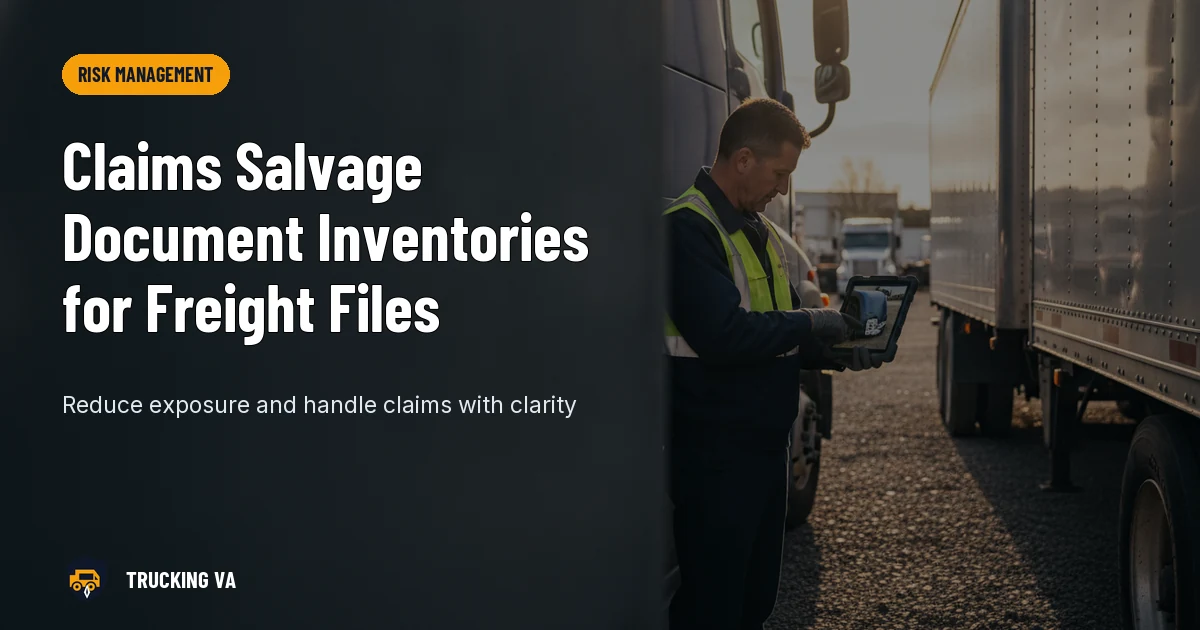
A salvage document inventory organizes notices, bids, custody records, photos, and disposition instructions while leaving ownership and settlement decisions to authorized claims professionals.

A callback commitment log records who promised a response, to whom, by when, and about what so shift changes do not create duplicate or abandoned outreach.
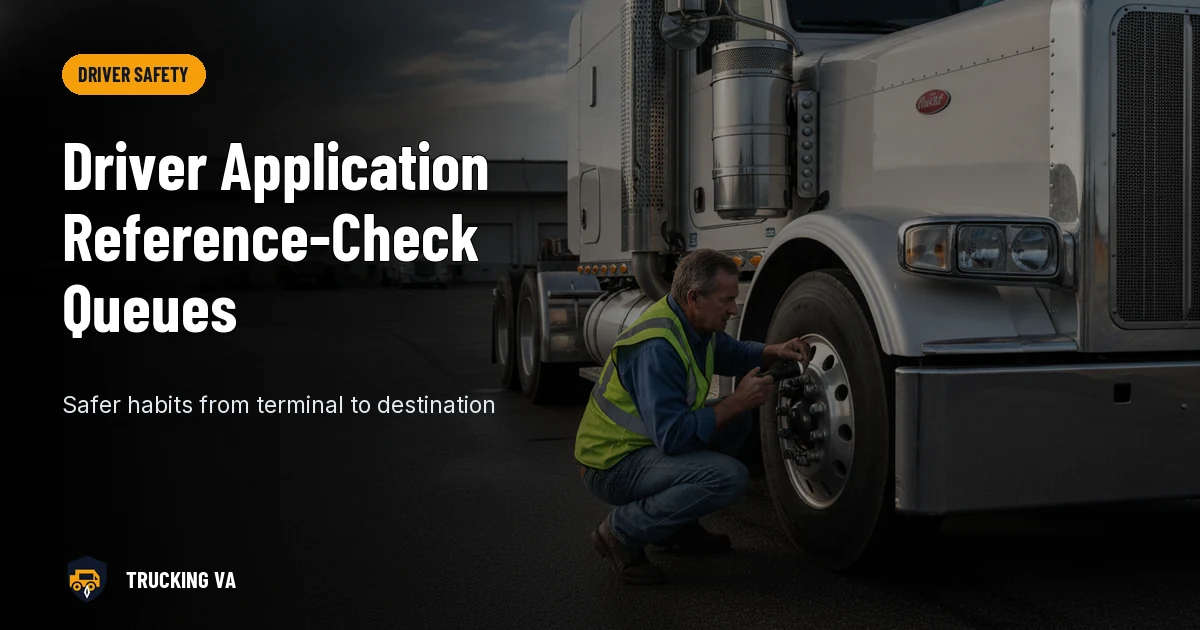
A reference-check queue makes requests, responses, authorizations, and unresolved gaps visible without allowing administrative staff to make a hiring decision.

A driver messaging consent record helps recruiting teams preserve the source, scope, and timing of a candidate communication preference without treating a phone number as blanket permission.

A fleet key custody register records handoffs, returns, exceptions, and source confirmations for shared equipment without becoming a substitute for security policy.

A remittance matching routine connects payment records to invoices and loads while preserving partial, combined, and unexplained differences for finance review.
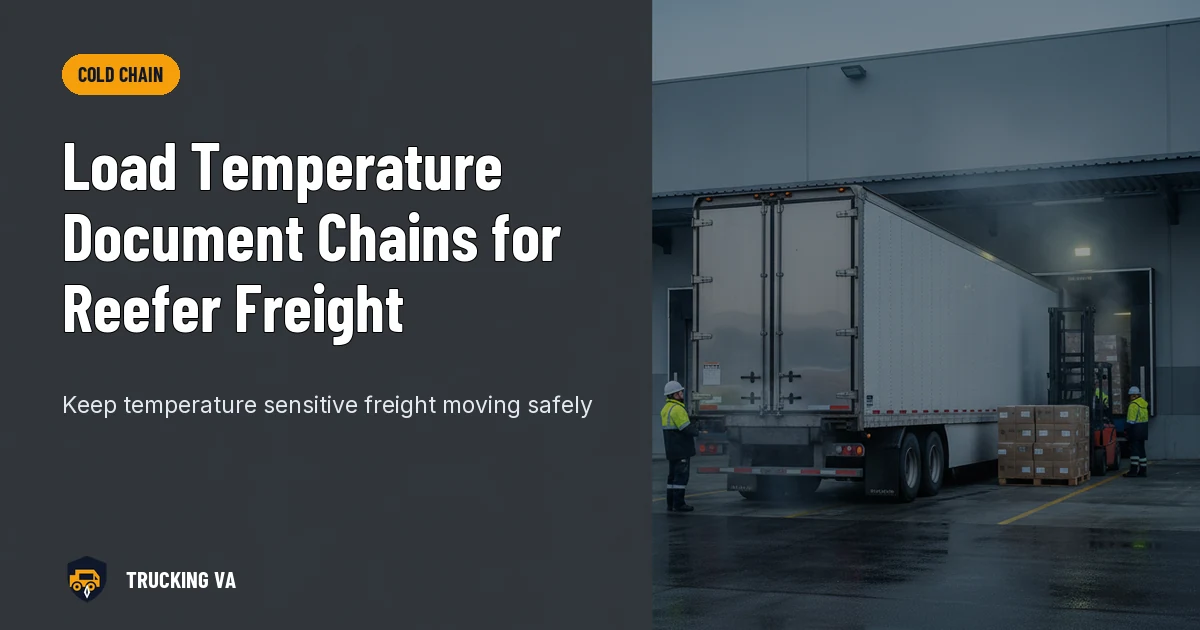
A load temperature document chain organizes supplied setpoint, reading, seal, and handoff evidence while leaving cargo condition and claims conclusions to qualified owners.
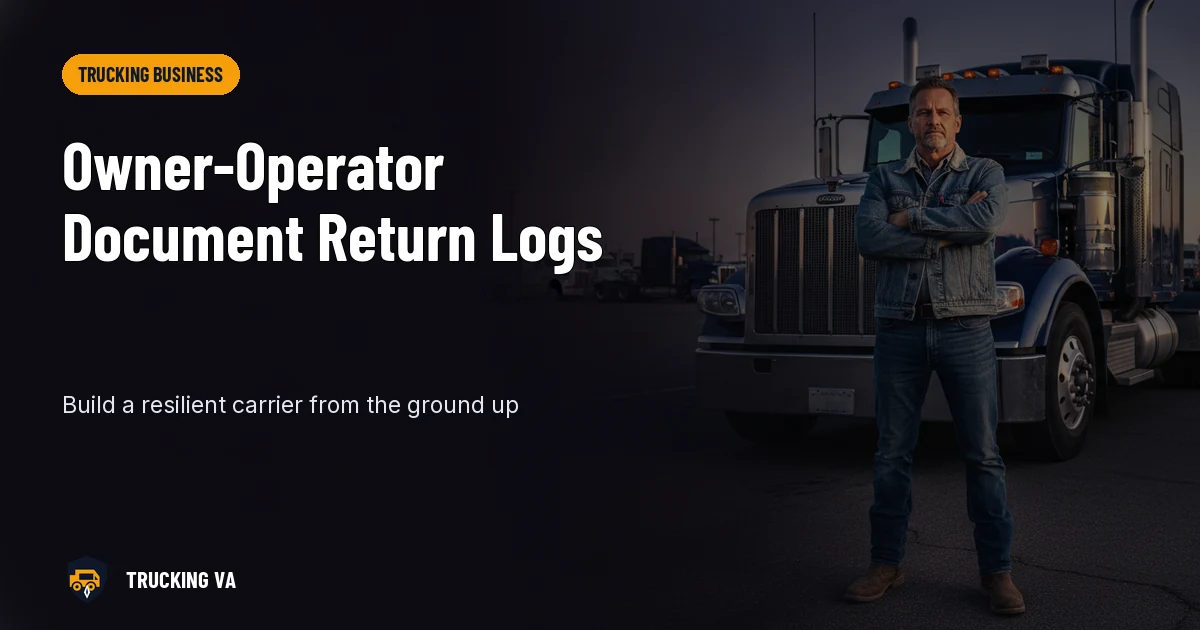
A document return log shows which supplied owner-operator records were reviewed, returned for correction, or accepted into the carrier system without deciding contractual status.

A terminal instruction version log keeps gate directions, contact details, restrictions, and effective times attributable when facilities send revisions.

A trailer damage photo intake routine preserves original files, capture context, and equipment identity while keeping damage assessment and roadworthiness decisions with maintenance personnel.

A washout proof index links facility receipts, equipment identifiers, service times, and load assignments so a reviewer can find the evidence without inferring sanitation compliance.