
trucking-business-growth5 min read
Trucking Lead Follow-Up Process for More Consistent Sales
Create a trucking lead follow-up process that tracks inquiries, qualification, next steps, and owner review without making unsupported promises.

Practical guides
Page 33 of 70
Create a trucking lead follow-up process that tracks inquiries, qualification, next steps, and owner review without making unsupported promises.

Create trucking safety meeting records that show the topic, attendees, action items, and follow-up owners without adding unnecessary administration.

Plan a trucking website content calendar around service questions, audience needs, search intent, and a manageable publishing routine.
Learn which trucking SOPs to document first so a virtual assistant can support repeatable dispatch, compliance, billing, and follow-up work.

A back office weekly exception review turns aging documents, billing gaps, and unresolved tasks into a short list of accountable next actions.
A carrier authority document expiration tracker organizes insurance, registration, and authority records with clear review ownership.
A carrier compliance task handoff matrix assigns recurring records, review authority, due dates, and escalation paths across the office.
A carrier driver file renewal calendar organizes review dates, evidence requirements, owners, and exceptions without making qualification decisions.

A carrier pickup delivery exception log helps teams separate appointment changes, late arrivals, missing paperwork, and customer decisions.
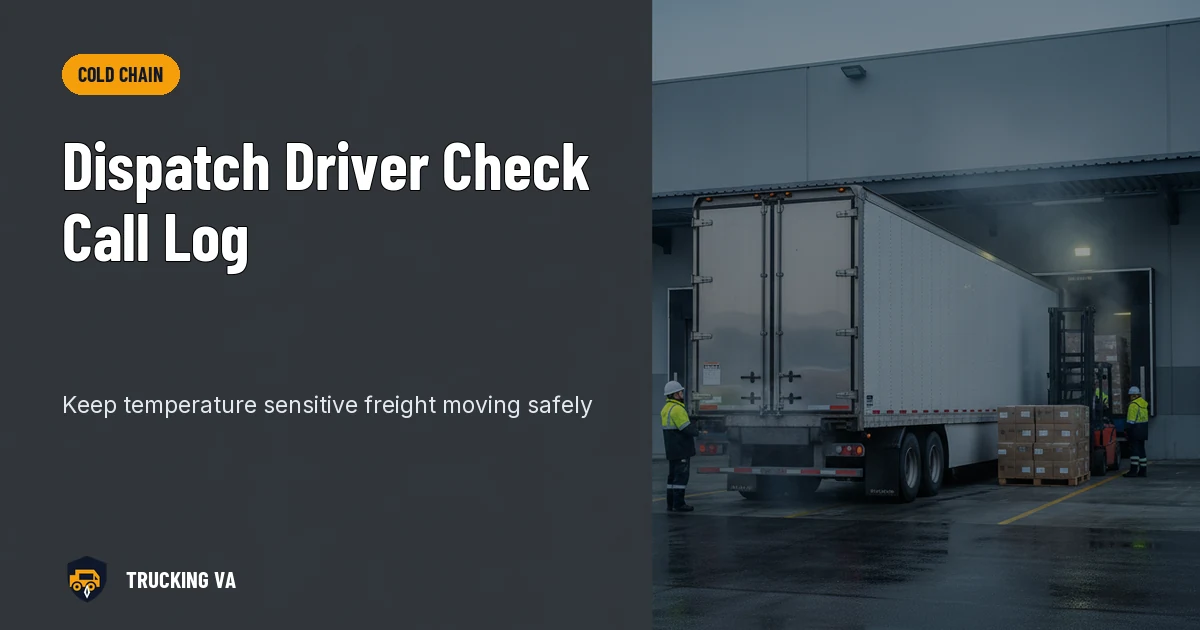
A dispatch driver check call log keeps time stamped updates, unanswered attempts, commitments, and escalation decisions in one place.

A dispatch load status board workflow keeps current location, next milestone, owner, and escalation state visible to the whole operations team.

A dispatch rate confirmation record checklist helps carriers match agreed load details to the operational record before execution.