fleet-management4 min read
Driver Device Assignment Inventories
A carrier office routine for tracking issued phones, tablets, and devices from assignment through return at driver separation.

Article category
104 articles in Fleet-management
A carrier office routine for tracking issued phones, tablets, and devices from assignment through return at driver separation.
How carrier offices review camera events, log coaching conversations, and track repeat driving behavior without overstepping.
A practical routine for documenting equipment condition at lease turn-in so carriers can resolve end-of-term charges with evidence.
How carrier offices track roadside inspection defects from citation through repair certification and inspection follow-up.

A practical carrier-office routine for fuel card odometer exception queue with clear evidence, handoff, and authority rules.
A practical carrier-office routine for trailer registration copy log with clear evidence, handoff, and authority rules.

A practical carrier-office routine for truck permit copy request board with clear evidence, handoff, and authority rules.

A practical carrier-office routine for truck repair estimate approval queue with clear evidence, handoff, and authority rules.
A practical carrier-office routine for fuel card odometer exception queue with clear evidence, handoff, and authority rules.
A practical carrier-office routine for trailer registration copy log with clear evidence, handoff, and authority rules.
A practical carrier-office routine for truck permit copy request board with clear evidence, handoff, and authority rules.
A practical carrier-office routine for truck repair estimate approval queue with clear evidence, handoff, and authority rules.
A practical carrier-office routine for cab card copy replacements with clear evidence, handoff, and authority rules.
A practical carrier-office routine for fuel-island PIN reset records with clear evidence, handoff, and authority rules.
A practical carrier-office routine for trailer pool reconciliation with clear evidence, handoff, and authority rules.
A practical carrier-office routine for truck-wash receipt matching with clear evidence, handoff, and authority rules.
A practical TruckingVA routine for tire road-call document timeline, with traceable sources, clear handoffs, stopping rules, and decision boundaries.
A practical TruckingVA routine for trailer repair photo intake board, with traceable sources, clear handoffs, stopping rules, and decision boundaries.
A practical TruckingVA routine for truck permit copy distribution log, with traceable sources, clear handoffs, stopping rules, and decision boundaries.
A practical carrier-office guide to trailer plate renewal evidence, with traceable evidence, clean handoffs, and clear decision boundaries.
A practical trucking-office routine for fuel receipt odometer exception, with clear sources, ownership, escalation, and decision boundaries.
A practical trucking-office routine for preventive maintenance reminder evidence, with clear sources, ownership, escalation, and decision boundaries.
A practical trucking-office routine for trailer damage photo intake, with clear sources, ownership, escalation, and decision boundaries.
A practical trucking-office routine for truck title custody log, with clear sources, ownership, escalation, and decision boundaries.
A practical trucking-office guide to make handoffs visible when tractors, spare keys, and cards move between people or locations.
A practical trucking-office guide to keep washout evidence attached to the equipment and trip that required it.
A practical trucking-office guide to track each device through issue, reassignment, return, and deactivation.
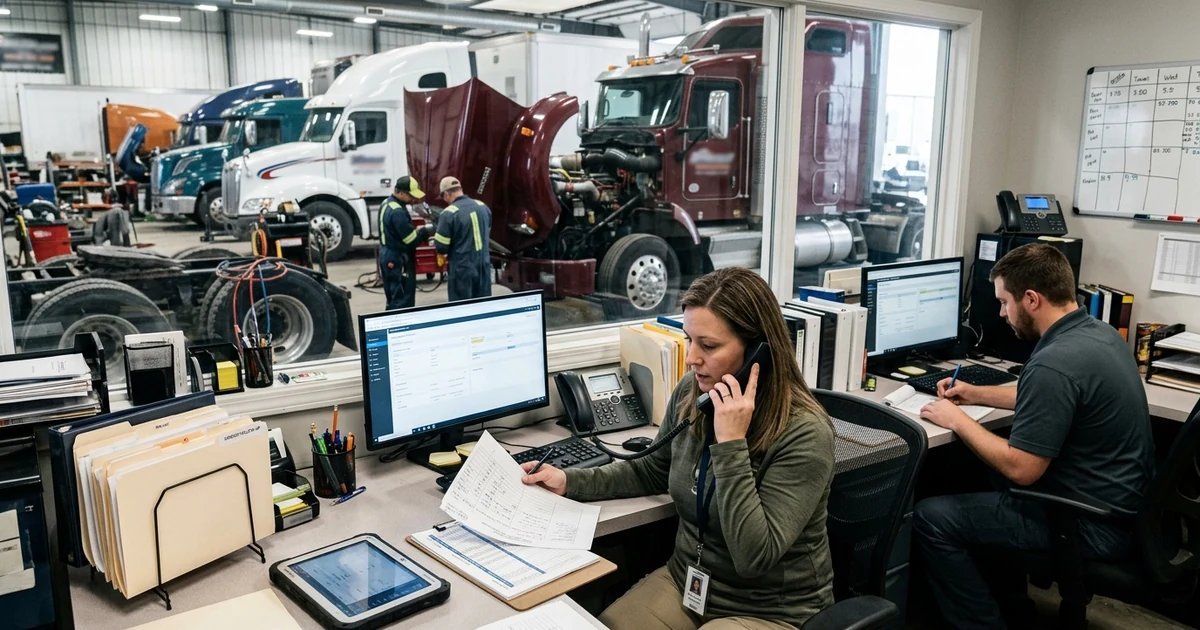
Maintenance vendor follow-up keeps work orders, promised updates, invoices, and open questions visible while leaving diagnosis, repair approval, and roadworthiness decisions with qualified personnel. Learn how to build a clear, repeatable routine for trucking operations.

Organize maintenance work-order intake so a trucking VA can capture symptoms, paperwork, approvals, and follow-up without directing repairs.

A truck and trailer assignment history gives fleet and dispatch teams a traceable administrative record without replacing maintenance, safety, or equipment decisions.
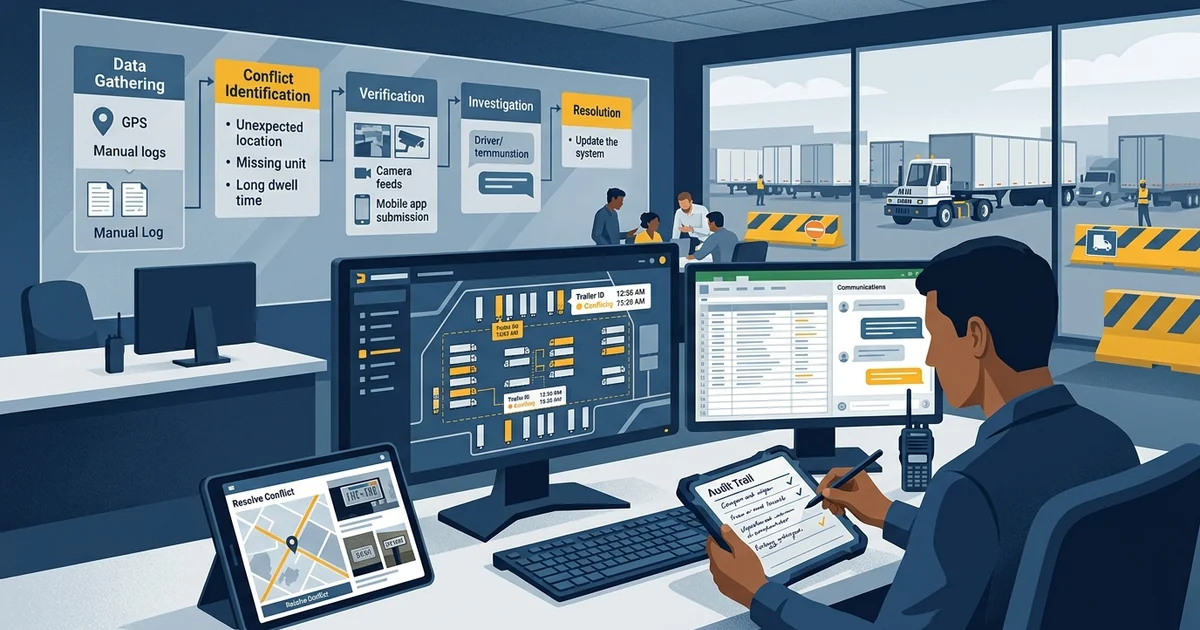
A practical back-office workflow for reconciling trailer positions, observation times, and unresolved yard location conflicts.
A carrier document control workflow keeps licenses, insurance, inspections, and operating records findable without asking administrative staff to make compliance judgments. Learn how to build a clear, repeatable routine for trucking operations.
Fuel receipt organization creates a traceable administrative record for dates, units, locations, amounts, and missing documents without presenting bookkeeping support as tax advice. Learn how to build a clear, repeatable routine for trucking operations.
A maintenance due list helps administrative staff surface dates, odometer inputs, vendor documents, and unanswered requests without diagnosing equipment or approving roadworthiness. Learn how to build a clear, repeatable routine for trucking operations.
A fuel-card review is most useful when it looks for mismatches rather than merely collecting receipts. The back office can compare transaction time, vehicle location, product type, odometer reading, tank capacity, and driver assignment before escalating an exception.
A work-order backlog is a risk signal when it hides overdue inspections, repeat defects, or equipment that is unavailable without a clear reason. A weekly review gives a small fleet a practical view of what needs action now, what is waiting on parts, and what has been closed with evidence.
Learn how to reconcile fleet fuel receipts against vehicle, driver, date, and route records so exceptions are found before month-end.
Create a fleet maintenance records workflow that keeps service history, inspection follow-up, and due dates visible to the operating team.
Set up a fleet mileage recordkeeping system that makes route review, fuel analysis, compliance support, and owner reporting easier.
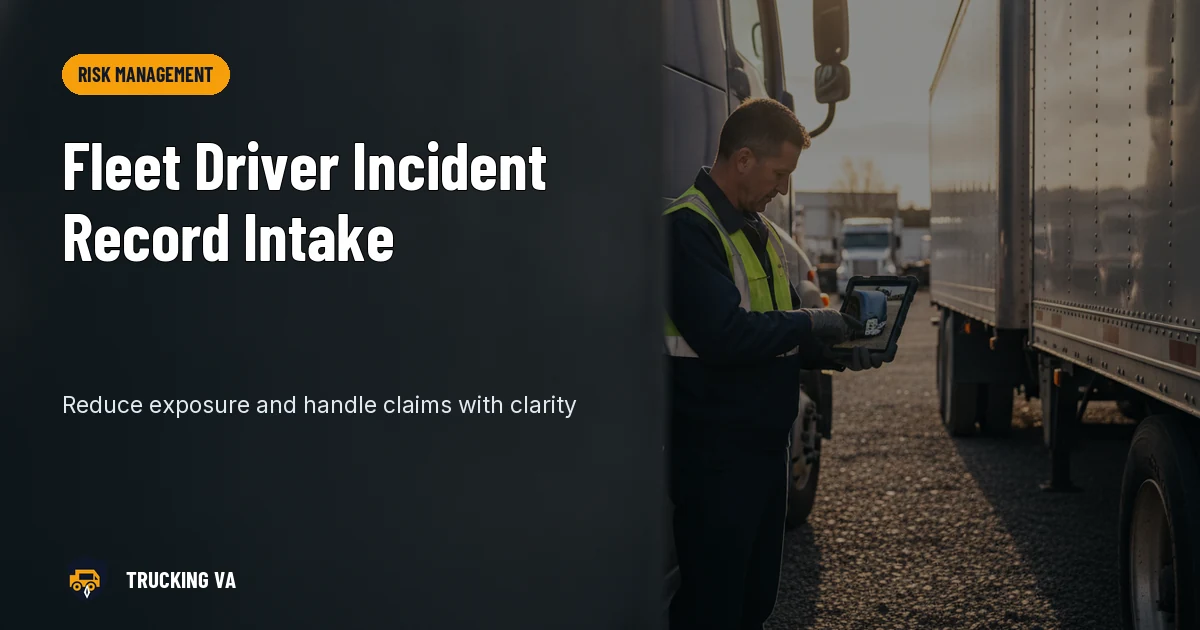
A fleet driver incident record intake process preserves reports, timestamps, contacts, and follow up without deciding fault or liability.
A fleet fuel card exception review matches transactions to vehicle and trip records while routing unusual items to an authorized reviewer.
A fleet maintenance vendor follow up queue tracks estimates, approvals, appointment dates, parts delays, and return to service evidence.
A fleet vehicle record cleanup workflow identifies duplicates, missing fields, stale documents, and unresolved ownership in equipment records.
Use a fleet fuel receipt reconciliation process to match receipts, vehicle records, dates, and exceptions without losing the original evidence.
Create a fleet preventive maintenance due list that connects mileage, time intervals, open defects, vendor appointments, and escalation ownership.
A fleet registration renewal calendar workflow tracks vehicle identifiers, source records, due dates, reminders, and owner responses.
A fleet repair estimate comparison record keeps vendor estimates and approval questions together while leaving repair decisions with an authorized owner.
A fleet tire replacement follow up process tracks inspection notes, vendor questions, appointment timing, and return to service evidence.
A trucking operations weekly review agenda turns open exceptions, service results, staffing needs, and process changes into an accountable management rhythm.
A safe way to use a trucking VA for carrier data cleanup, duplicate review, and exception reporting.
How a trucking VA can prepare driver settlement records while keeping pay decisions with the carrier.
Use a trucking VA to organize maintenance records, upcoming service items, and exceptions for fleet managers.
An organized fuel receipt coding workflow for carriers that need cleaner records and fewer follow-up requests.
Build a weekly fleet reporting routine with defined inputs, simple checks, and clear escalation notes.
A trucking VA for driver payroll exception review matches settlement inputs to approved records and routes discrepancies before payroll is finalized.
A trucking VA for equipment maintenance work orders keeps repair requests, approvals, parts, and completion records connected to each unit.
A trucking VA for fuel card reconciliation matches transactions to trucks and trips, flags exceptions, and keeps fuel records ready for review.
A trucking VA for trailer utilization tracking keeps location, assignment, status, and availability records current for fleet planning.
Follow this fleet accident investigation process guide to collect the evidence, witness information, and documentation needed to protect your carrier in liability claims and regulatory reviews.
Manage fleet insurance claims effectively with prompt reporting, documentation practices, and adjuster communication that protect your premiums and maximize claim outcomes.
Build a fleet operations manual that standardizes dispatch, maintenance, driver communication, and compliance procedures so your operation runs consistently regardless of who is on shift.
Develop a fleet procurement strategy that aligns equipment purchases with operational needs, market cycles, and financing structures to reduce total cost of ownership per truck.
Use this fleet capacity planning guide to align your truck count with freight demand, avoid over-capacity losses, and time equipment decisions to maximize profitability.
Build a fleet driver scorecard program that measures safety, productivity, and compliance metrics to reduce accidents, lower insurance costs, and improve driver retention.
Control fleet labor costs with proven strategies for driver pay structure, productivity-based compensation, overtime management, and administrative cost reduction.
Use fleet vehicle utilization analysis to identify underperforming trucks, reduce idle assets, and optimize your equipment roster for maximum revenue per unit.
Learn how to implement an effective cargo temperature monitoring program for refrigerated fleets, covering sensor technology, alert systems, documentation requirements, and shipper compliance.
Protect your trucking operation from cyber threats with this fleet cybersecurity guide covering TMS security, ELD vulnerabilities, ransomware prevention, and driver data protection.
Learn the key differences in electric truck maintenance requirements and how fleet managers can adapt their PM programs, technician training, and vendor relationships for EV fleets.
Evaluate the pros and cons of outsourcing fleet maintenance, learn how to select and manage third-party maintenance providers, and understand when in-house service is the better choice.
Learn how to manage a trailer pool effectively, track utilization, reduce dwell time, and maximize the revenue productivity of your trailer fleet.
Use these proven fleet downtime reduction strategies to keep trucks on the road, protect revenue miles, and minimize costly emergency repair expenses.
Understand commercial truck insurance requirements for carriers and owner-operators. Learn minimum coverage levels, filing rules, and how to stay compliant with FMCSA.
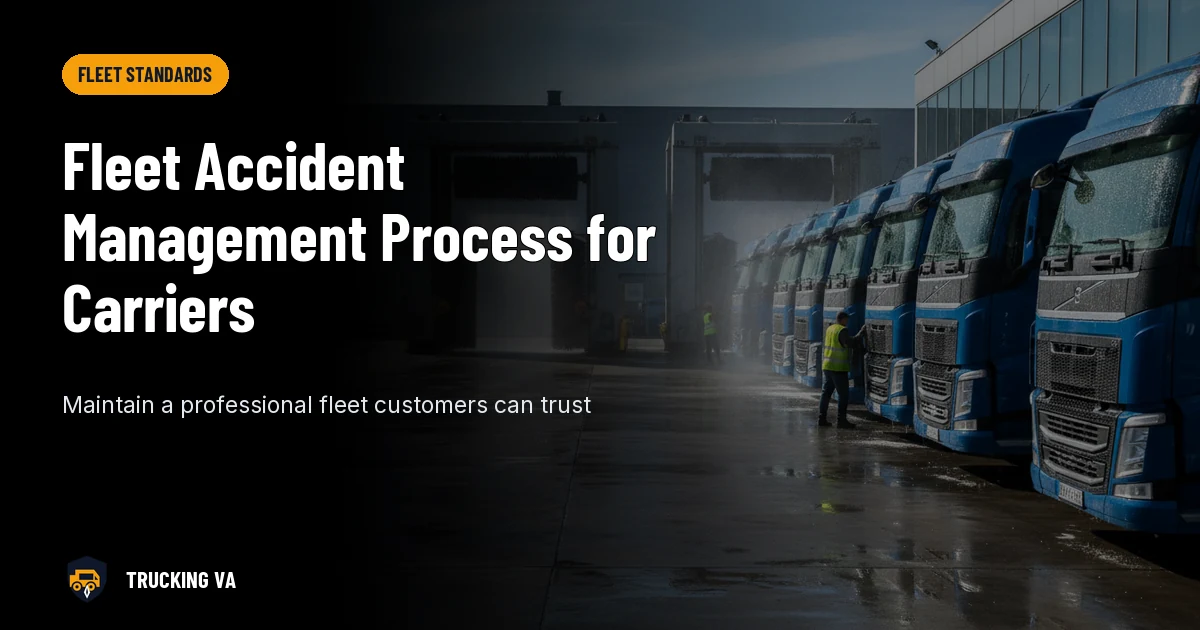
Learn the fleet accident management process to protect your CSA score, reduce liability, and keep your drivers and operations compliant after any incident.
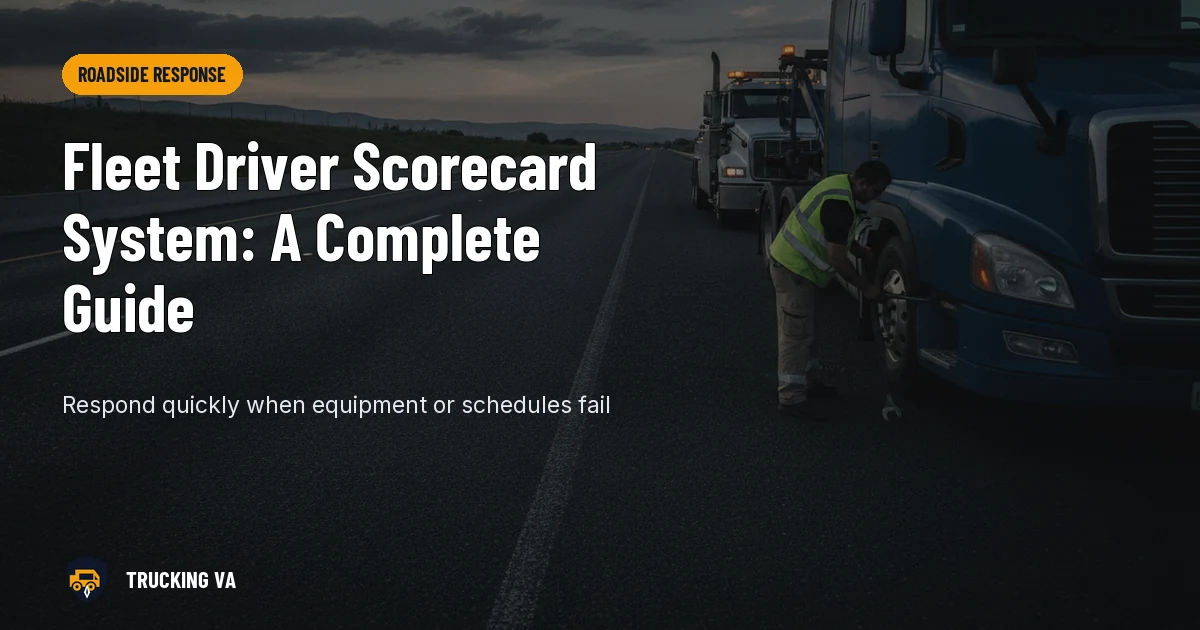
Learn how a fleet driver scorecard system improves safety, reduces costs, and retains top drivers. Explore key metrics, setup steps, and best practices for carriers.
Discover how fleet fuel card management cuts fuel costs, prevents fraud, and simplifies reporting for carriers of all sizes. Learn best practices and key metrics.
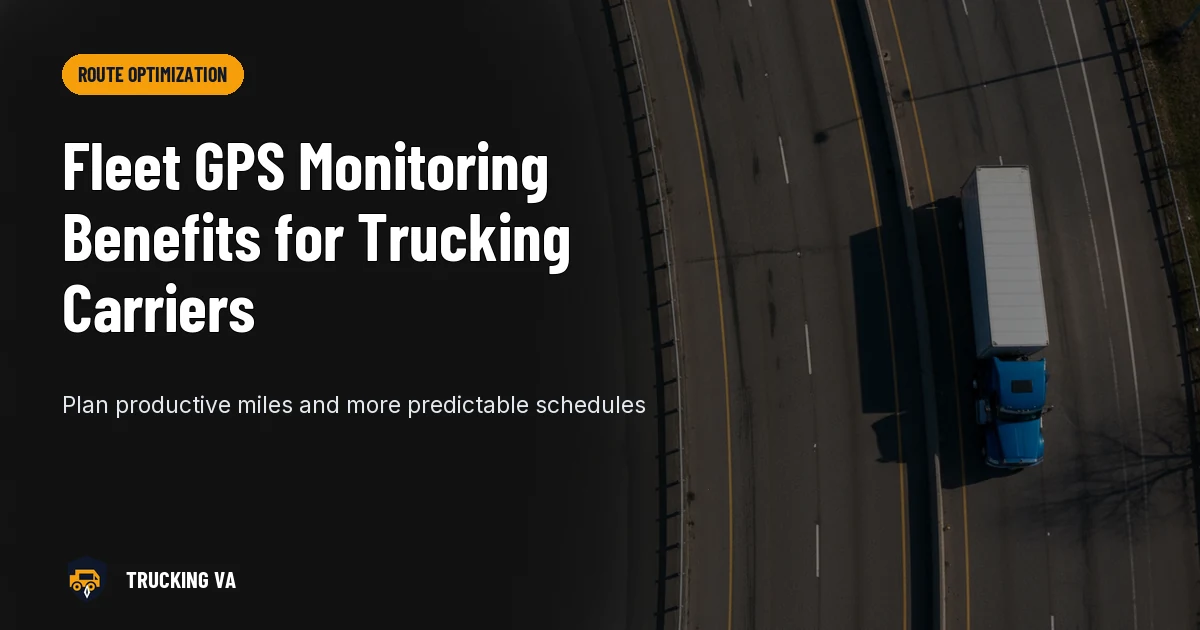
Explore the key fleet GPS monitoring benefits including improved safety, fuel savings, and compliance. Learn how GPS tracking transforms trucking operations for carriers.
This commercial vehicle leasing guide covers lease types, cost comparisons, and key terms so trucking companies make informed decisions before signing any agreement.
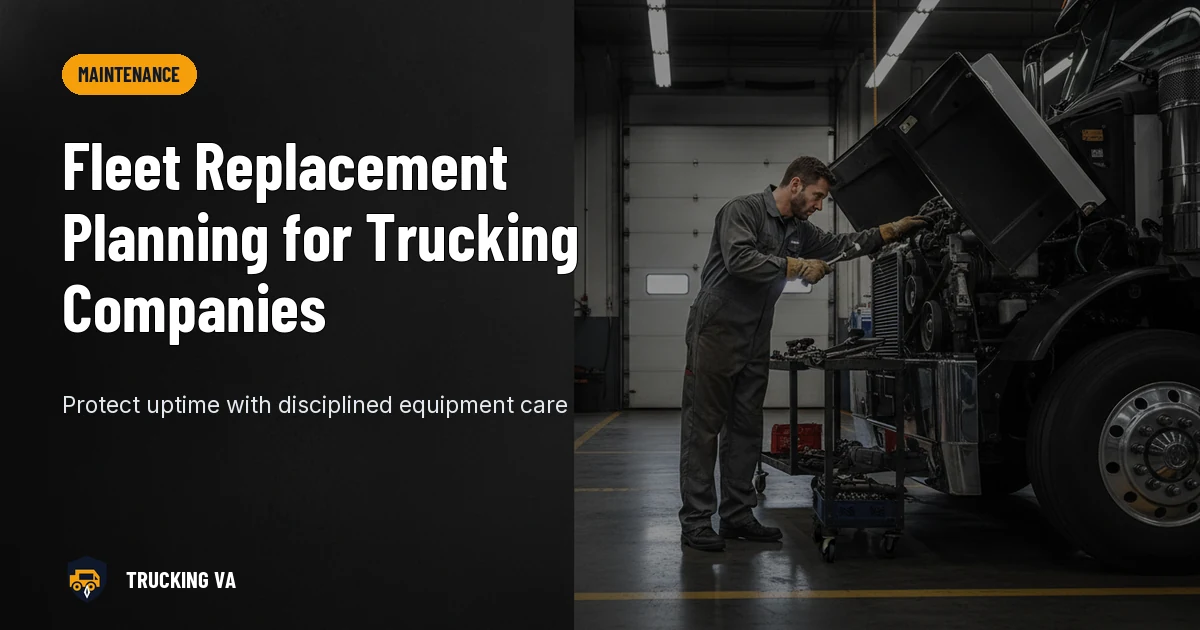
Fleet replacement planning helps trucking companies reduce downtime, control costs, and retire aging trucks on a schedule that protects cash flow and safety ratings.
Learn how fleet warranty management reduces repair costs, prevents claim denials, and protects your trucking company's bottom line with organized processes.
Commercial truck depreciation directly affects your tax liability and equipment strategy. This guide covers depreciation schedules, methods, and how fleet owners can maximize their deductions.

Fleet electrification planning helps carriers prepare for the EV transition with minimal disruption. Learn how to evaluate routes, infrastructure, costs, and timing for your fleet.
A fleet preventive maintenance program reduces breakdowns, lowers repair costs, and extends truck life for carriers. Build your program with this step-by-step guide for trucking fleets.
Fleet route planning software cuts fuel costs and improves delivery performance for trucking companies. Compare the top features and how to choose the right platform for your fleet.
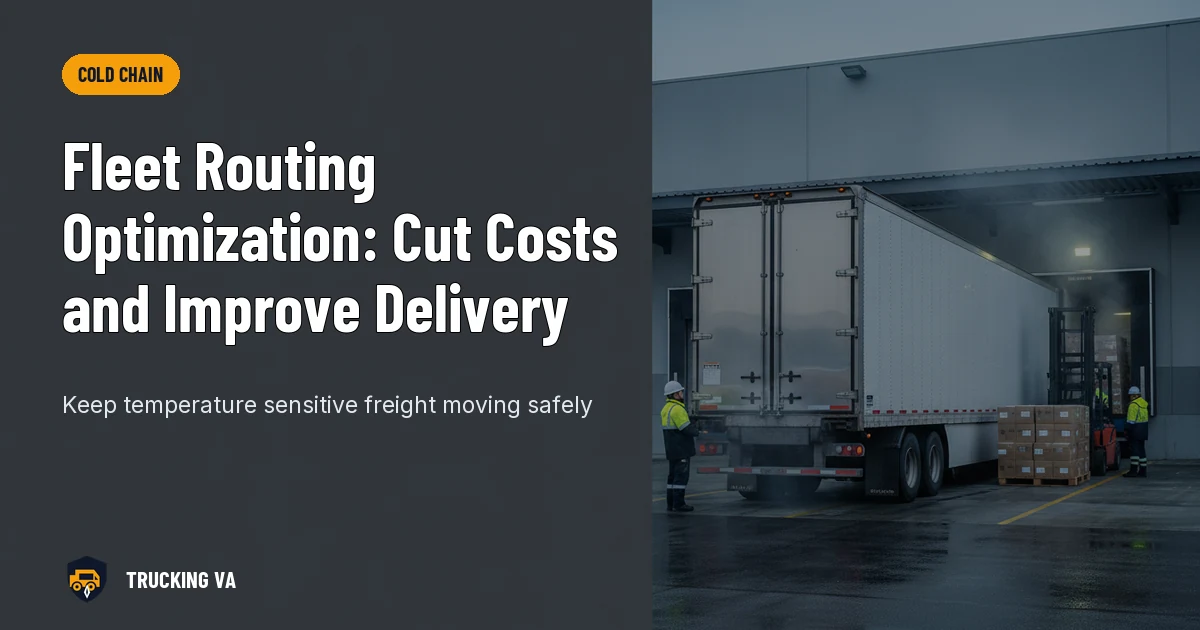
Fleet routing optimization reduces fuel costs, deadhead miles, and late deliveries for trucking companies. Discover the strategies and tools top fleets use to optimize their routes.
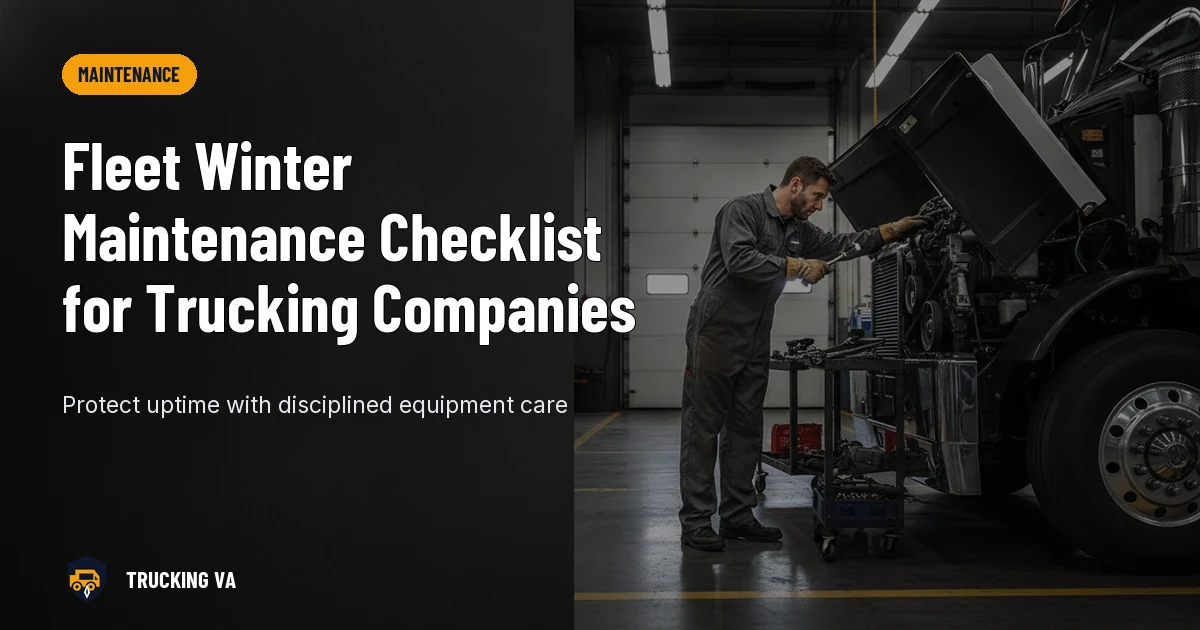
A fleet winter maintenance checklist prevents costly breakdowns during cold months. Follow this guide to protect your trucks, drivers, and schedules when temperatures drop.
Trucking fleet liability insurance covers bodily injury, property damage, and cargo claims so carriers meet federal minimums and protect their assets from lawsuit exposure.
Fleet vehicle registration management tracks plate renewals, apportioned registration, IRP credentials, and title transfers so commercial trucks stay road legal and inspection-ready.
A fleet dash cam program for trucking provides accident documentation, driver coaching data, and liability protection that reduces insurance costs and improves safety outcomes.
A fleet tire management program reduces tire costs, prevents roadside blowouts, and improves fuel economy. Learn how to build an effective tire program for your trucking operation.
Build an effective preventive maintenance schedule for trucks that reduces breakdowns, lowers repair costs, extends vehicle life, and keeps your fleet DOT-compliant and revenue-generating.
Explore how fleet telematics for trucking companies improves safety, reduces fuel costs, simplifies hours of service compliance, and provides real-time visibility across your entire fleet.
Apply proven truck fleet fuel efficiency tips including driver behavior coaching, route optimization, idle reduction, and aerodynamic upgrades to reduce your fuel spend and improve operating margins.
Build a reliable fleet vehicle inspection process that keeps your trucks compliant, reduces breakdowns, prevents DOT violations, and extends equipment life across your entire operation.
Discover proven fleet cost management strategies that reduce fuel waste, lower maintenance expenses, optimize insurance costs, and improve the operating ratio for trucking companies of all sizes.
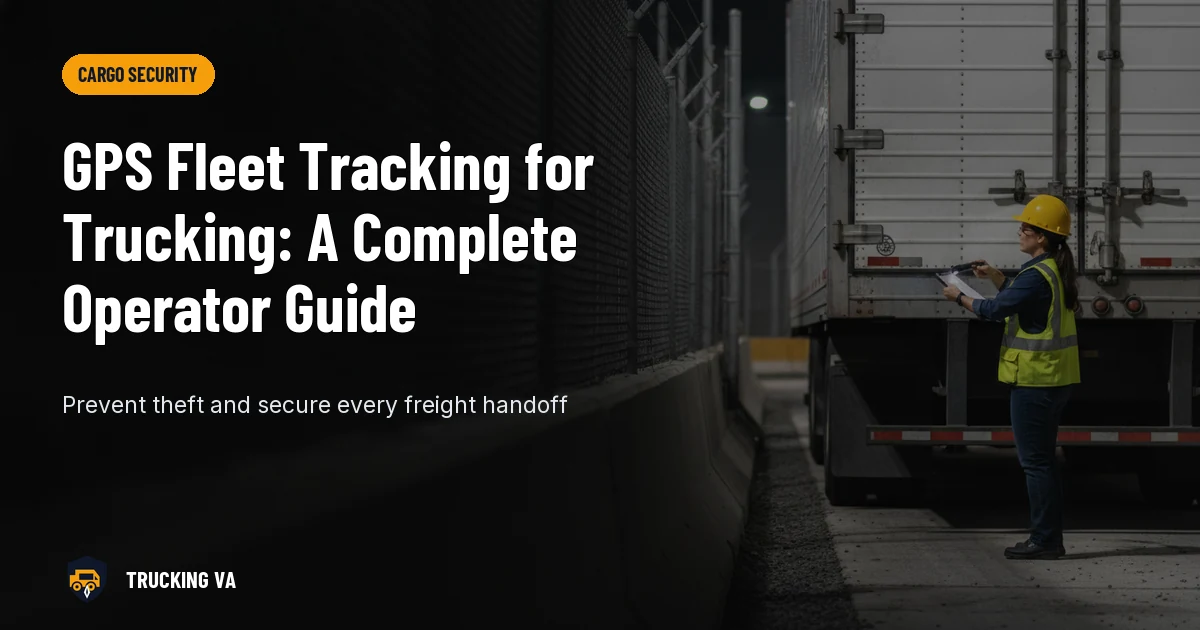
Discover how GPS fleet tracking for trucking improves driver visibility, reduces fuel waste, speeds up customer service, and keeps your fleet FMCSA compliant.
Compare fleet driver management software options for trucking companies. Covers features, pricing, integration, and ROI for fleets of all sizes.

Step-by-step guide to fleet safety program development. Covers DOT compliance, driver training, incident tracking, and measurable safety goals for carriers.
Learn proven fuel cost management for trucking fleets with strategies that reduce spending by 15-30%. Covers tracking, routing, driver habits, and bulk purchasing.
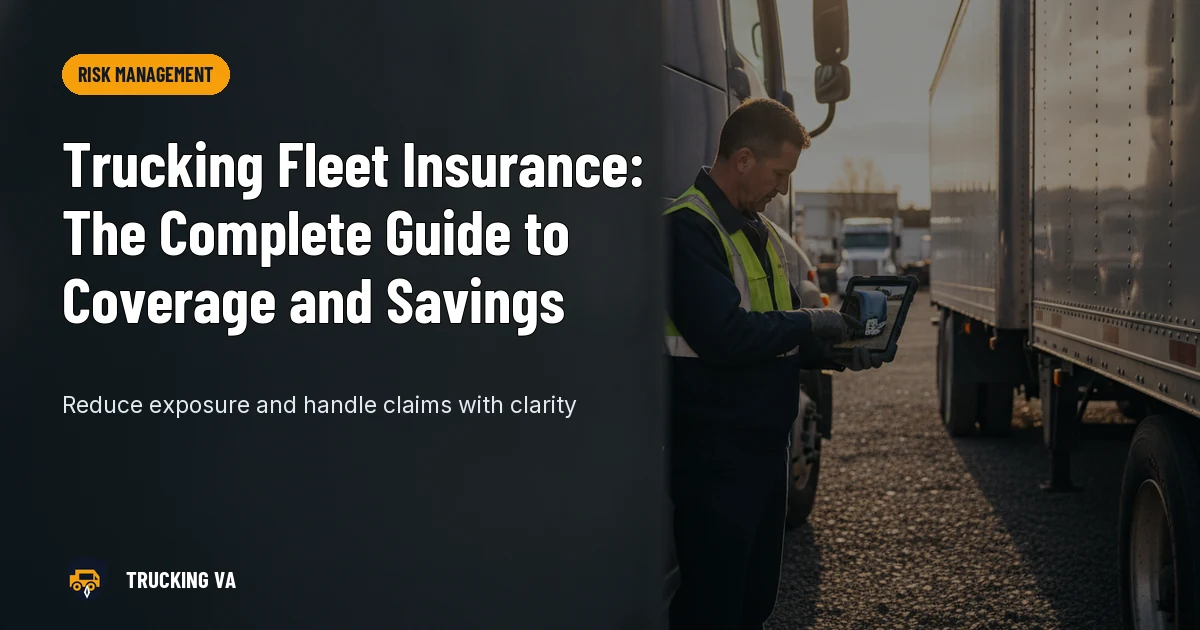
Comprehensive trucking fleet insurance guide covering required policies, cost factors, and strategies to reduce premiums by 20-40%. Compare coverage options here.
Learn how fleet maintenance scheduling reduces breakdowns, cuts costs, and keeps your trucks compliant. Follow proven steps to build a reliable maintenance program.

Discover proven fleet management best practices that reduce costs, improve safety, and boost efficiency for trucking carriers of every size.
Explore fleet tracking solutions for trucking that improve visibility, reduce costs, and keep your operation compliant with federal safety regulations.

Discover proven small fleet management tips that help owner-operators and small carriers cut costs, stay compliant, and scale operations with confidence.