Delivery Document Control
Collect, index, and reconcile delivery paperwork against each load so your billing reviewer can see what is complete, missing, or disputed.
Book a Free Consultation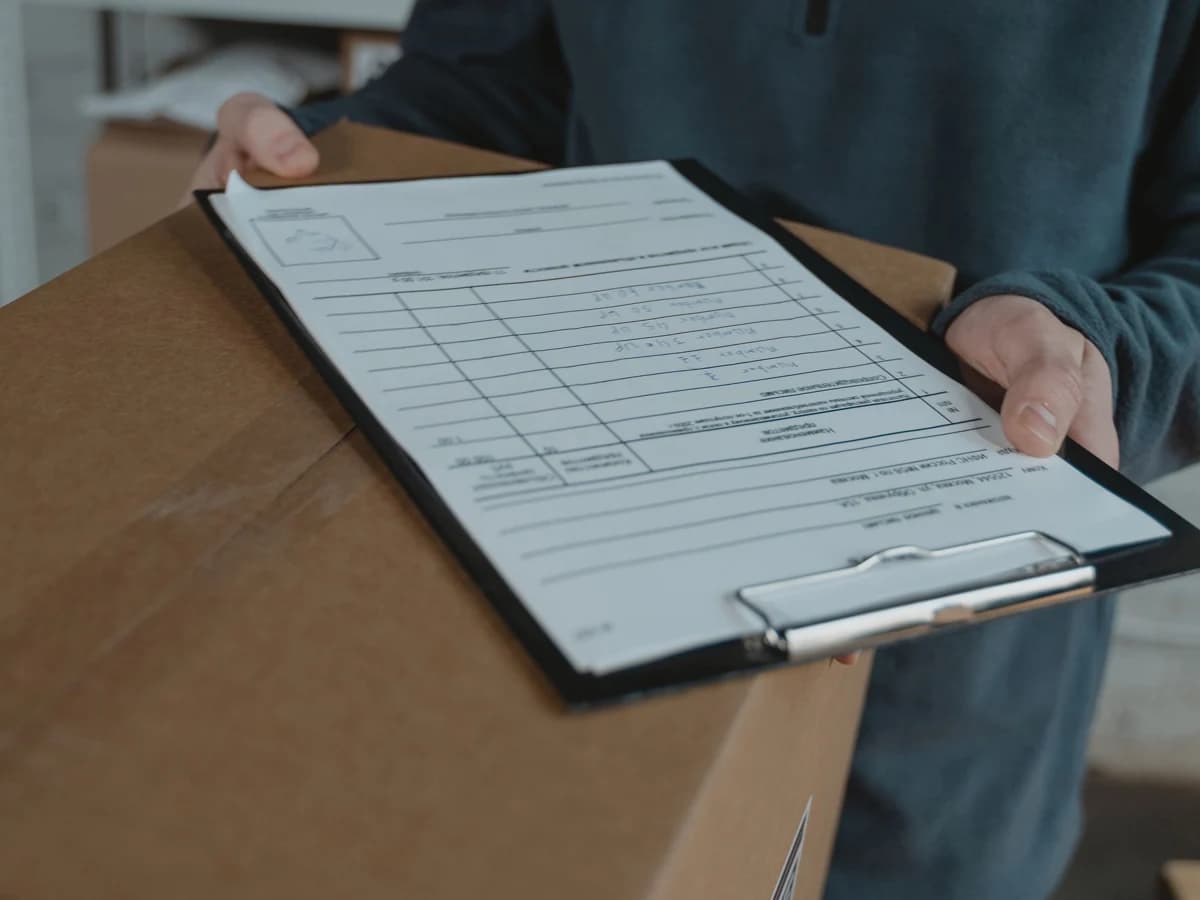
Service overview
A documented workflow, not an undefined task list
A delivered load can still leave your office chasing paperwork. Delivery document control gives that queue a named owner: someone who requests the required files, checks that they belong to the right load, and prepares a traceable packet for your billing team. The role starts with document collection and ends with a reviewer-ready handoff; it does not authorize invoicing, decide claims, or alter delivery evidence.
Your team defines the checklist for each customer or broker. A routine packet may include the signed proof of delivery, bill of lading, rate confirmation, approved accessorial records, and references required by the receiving portal. The assistant records the source and receipt time, keeps original files, and flags missing pages, illegible signatures, conflicting dates, or mismatched load numbers instead of guessing what they mean.
For example, a driver sends a two-page delivery receipt but the second page is unreadable. The assistant records the partial receipt, requests a clearer copy through the approved channel, and leaves the load in the missing-document queue. If a notation mentions damaged freight, the evidence goes to your designated operations or claims owner; the assistant does not remove the note or tell billing that the exception is resolved.
Onboarding starts with several representative completed loads and several problem packets. Your manager approves the naming convention, source systems, customer requirements, follow-up schedule, access permissions, and escalation owners. Daily work then follows that documented checklist, with a short handoff identifying what became ready, what remains blocked, and who must take the next action.

Who this service fits
- Carriers with delivered loads waiting on readable paperwork
- Billing teams receiving documents from several driver channels
- Operations with customer-specific submission requirements
- Teams losing time searching for missing accessorial evidence
- Managers who need an accountable document queue across shifts
What's included
How the service works
Define the packet
Record the required documents, source systems, reference fields, submission rules, and reviewer for each customer or load type.
Collect and preserve
Request files through approved channels and retain the original attachment, receipt time, sender, and linked load record.
Check completeness
Compare pages, legibility, load numbers, dates, and required fields against the checklist. Record conflicts without modifying source evidence.
Resolve the queue
Follow up on missing items at the agreed cadence and route disputed signatures, damage notes, or conflicting delivery details to the authorized owner.
Hand off for review
Index the packet, summarize unresolved exceptions, and mark it ready for the billing reviewer only when the defined evidence is present.
Typical deliverables
- Load-by-load delivery document register
- Indexed original POD and BOL files
- Customer-specific packet checklist
- Missing and unreadable document queue
- Accessorial evidence index for authorized review
- Daily billing handoff with open exceptions and owners
Useful operating measures
Your team chooses targets after reviewing its own baseline. These measures make the workflow visible without inventing performance promises.
- Delivered loads with all required documents indexed
- Missing items with a named owner and next follow-up
- Packets returned by reviewers for incomplete evidence
- Age of open document requests
- Load-reference conflicts awaiting an authorized decision
Controls and decision boundaries
The carrier retains authority over invoice release, payment disputes, claims, charge approval, and delivery-status decisions. The assistant prepares evidence and records the reviewer’s decision.
Original delivery evidence remains unchanged. A missing signature, unreadable page, damage notation, or conflicting reference is recorded and escalated, never reconstructed or silently removed.
Use approved storage and role-based access. Customer contacts, driver details, signatures, and shipment records stay in the systems and retention process your company authorizes.
Systems the workflow can support
Platform access depends on your licenses, permissions, configuration, and written procedures. Tool familiarity does not replace your approval or the system owner's controls.
Frequently asked questions
Can the assistant mark a load ready for billing?
Only under a checklist your team approves, and only as an administrative readiness status. Your authorized billing reviewer decides whether to issue the invoice.
What happens when a POD is missing or unreadable?
The VA logs the issue, contacts the approved source for a replacement, and keeps the load in the exception queue. The handoff names the missing evidence, follow-up time, and responsible owner.
Can the VA change a delivery receipt?
No. Original records are preserved. Incorrect references or disputed details go to the appropriate owner with the original evidence attached.
Does this include freight claims handling?
The assistant may collect and route the documents your claims owner requests. Liability decisions, settlement discussions, and claim approval remain with authorized personnel.
How does this differ from dispatch support?
Dispatch support follows the active load and communication queue. This role concentrates on the document trail after delivery and the handoff to billing, using agreed boundaries when the same assistant supports both.
Related trucking support
Dispatch Coordination Support
Keep load information, check calls, appointments, and exception handoffs organized while dispatch decisions remain with your authorized manager.
Compliance Administration
Organize safety records, reminders, and document follow-up under the direction of your safety leader or another qualified professional.
Back-Office Operations
Move repetitive data entry, document control, invoicing support, and administrative follow-up through a documented daily workflow.
Build the role around your actual operation
Bring your recurring queue, systems, permission limits, review owners, and a few routine and exception examples. We'll use the consultation to define a practical starting scope.
Book a Free Consultation