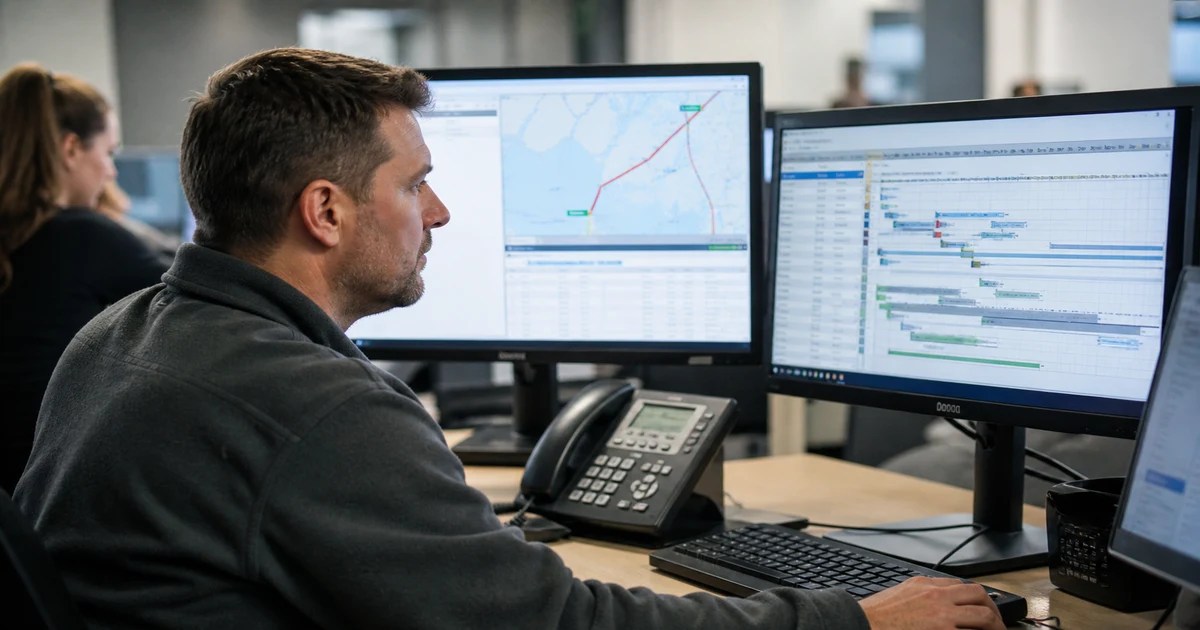

After-Hours Dispatch Handoffs That Give the Next Shift a Reliable Starting Point
An after-hours dispatch handoff gives the next shift current facts, open questions, and ownership without turning an administrative note into an operational decision.


Practical guides
Page 21 of 70

An after-hours dispatch handoff gives the next shift current facts, open questions, and ownership without turning an administrative note into an operational decision.
A broker response follow-up board keeps load, packet, and document questions visible while preserving the distinction between communication support and carrier authority.
A carrier insurance request tracker keeps certificate requests, responses, and source files organized without interpreting coverage or making an approval decision.

A customer appointment change register gives trucking offices a factual record of requested, confirmed, and unresolved delivery-time changes.

A dispatch inbox triage routine helps a trucking office classify incoming messages, preserve source context, and route time-sensitive questions without replacing dispatcher judgment.

A driver availability calendar helps a trucking office organize supplied schedule information, follow-ups, and handoffs without making staffing or employment decisions.

A driver file renewal queue organizes supplied records, visible dates, and follow-up ownership while reserving qualification and compliance decisions for authorized personnel.

A freight claim evidence index organizes supplied communications, delivery records, and photographs into a reviewable timeline without deciding liability or claim value.

A freight invoice exception log organizes source documents, discrepancies, and follow-up ownership before an authorized billing decision is made.

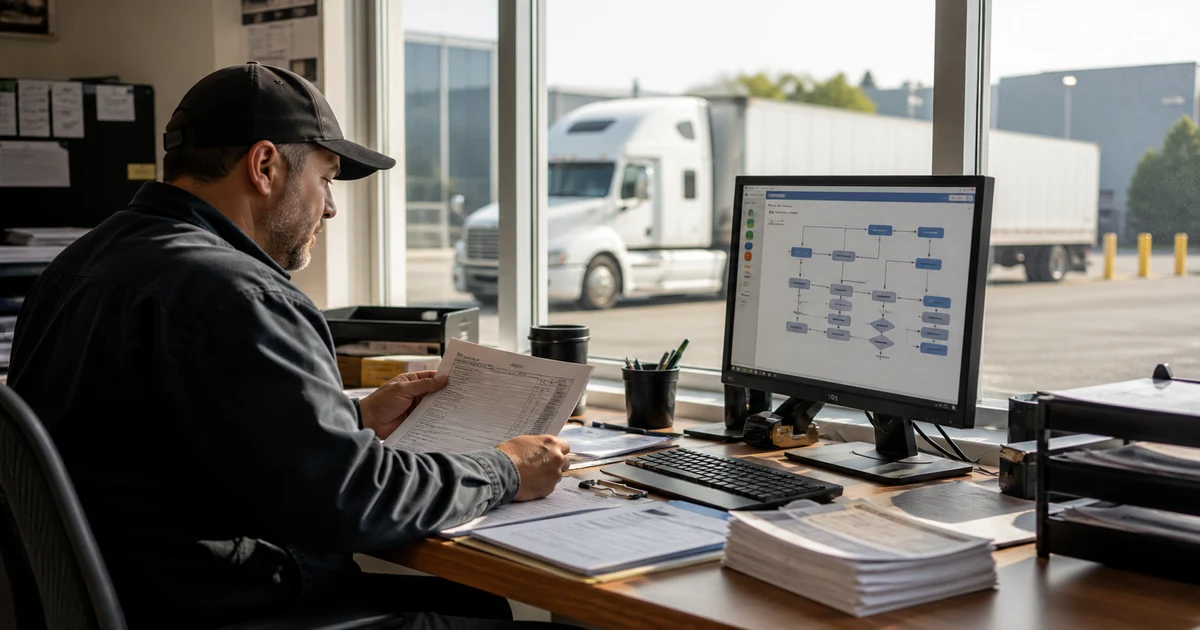
A load document intake map gives a trucking office one visible path from incoming paperwork to the person who must review or use it.

A maintenance vendor coordination log organizes requests, supplied updates, and appointment follow-up while leaving equipment and repair decisions with authorized fleet personnel.

A trucking shared-drive naming system turns scattered files into predictable records while preserving source history and access boundaries.