driver-recruitment4 min read
September 11 Field Guide: Driver Medical Card Receipt Ledger
A practical carrier-office routine for driver medical card receipt ledger with clear evidence, handoff, and authority rules.

Article category
68 articles in Driver-recruitment
A practical carrier-office routine for driver medical card receipt ledger with clear evidence, handoff, and authority rules.
A practical carrier-office routine for driver medical card receipt ledger with clear evidence, handoff, and authority rules.
A practical carrier-office routine for driver referral bonus evidence with clear evidence, handoff, and authority rules.
A practical TruckingVA routine for driver mail forwarding register, with traceable sources, clear handoffs, stopping rules, and decision boundaries.
A practical trucking-office routine for driver equipment return receipt, with clear sources, ownership, escalation, and decision boundaries.

A practical trucking-office guide to record what notice was sent, what the driver supplied, and who must review it.

A driver qualification document index helps an office locate supplied records, identify missing items, and route questions without interpreting eligibility rules or approving a driver file. Learn how to build a clear, repeatable routine for trucking operations.

A driver availability calendar helps a trucking office organize supplied schedule information, follow-ups, and handoffs without making staffing or employment decisions.

Map driver onboarding document intake so a trucking VA can collect, index, and flag missing items without making qualification decisions.
A driver file expiration follow-up grid organizes dates, supplied records, and outreach ownership while keeping qualification and employment decisions with the carrier’s authorized personnel.
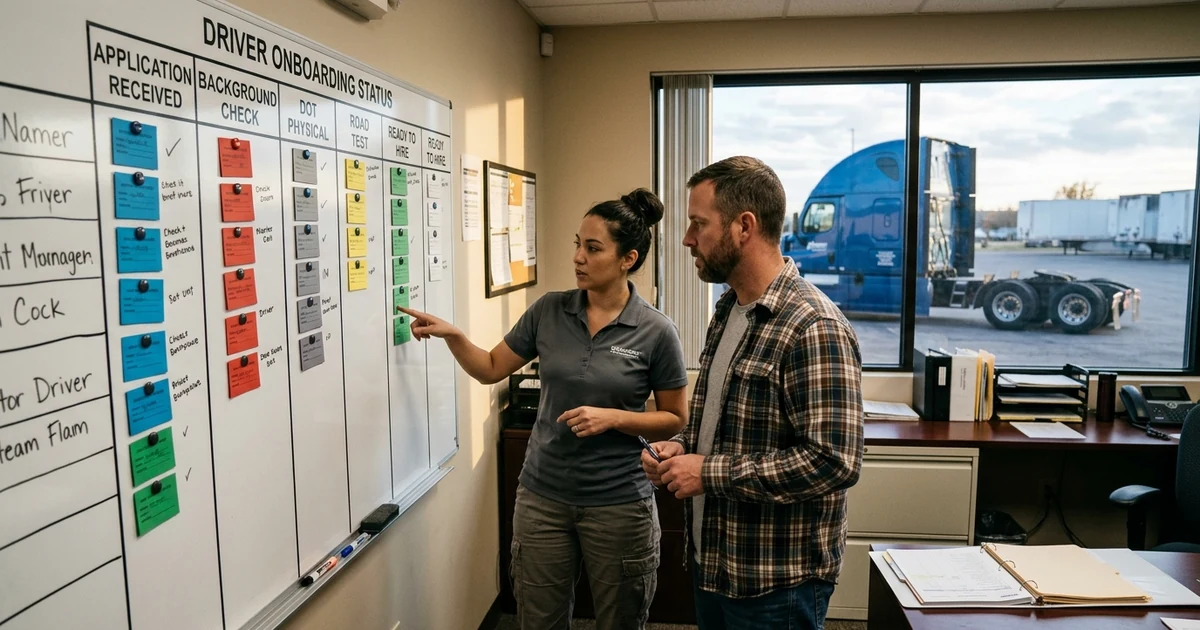
A driver onboarding status board gives a trucking office one factual view of supplied records, open requests, and review ownership without making hiring or qualification decisions.
CDL expiration tracking is an administrative control that connects driver records, reminders, received evidence, and escalation without interpreting licensing law for the carrier. Learn how to build a clear, repeatable routine for trucking operations.
A driver file follow-up routine makes missing forms and stale requests visible so the recruiting or safety team can decide what must happen next. Learn how to build a clear, repeatable routine for trucking operations.
Recruiting calendar coordination turns conversations into confirmed appointments, reminders, and handoffs while leaving qualification and hiring decisions to authorized staff. Learn how to build a clear, repeatable routine for trucking operations.
A recruiting inbox is an operating queue, not merely an email folder. Its design determines whether qualified driver conversations receive timely, accurate follow-up. Learn how to build a clear, repeatable routine for trucking operations.
A recruiting funnel becomes useful when every candidate has a clear next action and no safety-critical decision is hidden inside a casual text thread. Administrative support can keep the queue moving while qualified hiring and safety staff make the decisions that require judgment.
A driver onboarding document checklist helps carriers collect consistent hiring, qualification, policy, and first-week records.
Turn driver feedback, issue resolution, check-ins, and recognition into a trucking driver retention workflow your team can maintain.

A truck driver onboarding first week plan creates consistent handoffs for documents, equipment, contacts, training, and early support.
A truck driver recruiting pipeline dashboard gives carrier leaders a consistent view of applicants, follow ups, interviews, and hiring bottlenecks.

A repeatable driver onboarding checklist that gives a trucking VA clear ownership without transferring hiring authority.
Build stronger driver-dispatcher relationships with communication standards, trust-building practices, and conflict resolution approaches that reduce turnover and improve fleet performance.
Complete driver employment verification correctly with this guide covering previous employer contact requirements, PSP report use, and documentation that protects your hiring decisions.
Build a driver fitness program that reduces DOT physical failures, extends driver careers, improves safety outcomes, and supports retention by demonstrating that your carrier values driver wellbeing.
Build a driver lease purchase transparency guide that discloses actual costs, earnings, and exit terms so candidates can make informed decisions and carriers recruit from a position of trust.
Build a driver job offer process that moves candidates from application to first day quickly, reduces offer decline rates, and fills open seats before candidates accept competing offers.
Build a driver local route recruitment strategy that targets home-daily drivers, communicates your schedule advantage clearly, and fills local seats without competing on national OTR pay rates.
Use driver turnover root cause analysis to identify why drivers leave your fleet, distinguish controllable from uncontrollable attrition, and target retention investments where they produce the highest ROI.
Use this first year driver retention guide to build the onboarding communication, support structures, and milestone programs that keep new drivers from leaving before they become productive.
Learn how to automate driver pre-screening with digital applications, automated MVR pulls, and scoring systems that reduce time-to-hire while maintaining compliance with DOT qualification standards.
Learn how to calculate and track driver recruitment ROI, including cost-per-hire by channel, quality-of-hire metrics, and the financial impact of improving recruitment efficiency.
Learn how to use video content to attract CDL drivers, including what types of videos perform best, how to produce them affordably, and where to distribute them for maximum driver recruitment impact.
Learn how to build and manage a driver referral tracking system that ensures referred candidates are correctly attributed, bonuses are paid accurately, and the referral program generates consistent recruitment results.
Learn how to build CDL driver recruitment advertising campaigns that reach qualified applicants, reduce time-to-hire, and lower cost per placement.
Understand driver recruitment cost per hire benchmarks, which sourcing channels deliver the best ROI, and how to reduce spend without cutting quality.
Use social media recruitment for truckers to reach CDL drivers where they spend time, build your brand, and fill open positions faster than job boards.
Apply these truck driver job posting best practices to attract qualified CDL holders, reduce unqualified applications, and fill open seats faster.

Learn how to structure truck driver sign-on bonus strategies that attract qualified CDL holders and keep them long enough to recover your recruitment cost.
This driver application process guide walks carriers through every step of screening, verifying, and onboarding CDL applicants efficiently and compliantly.
Use these experienced driver hiring tips to attract, screen, and retain seasoned CDL drivers who improve safety, reduce turnover, and strengthen your fleet.
Learn how to write CDL job postings that stand out, attract qualified applicants, and fill open seats faster with proven copywriting strategies for carriers.
Understand how a lease purchase program for drivers works, what to watch for in contracts, and whether it is the right path to truck ownership for CDL drivers.

Use these owner operator recruiting tips to attract reliable independent contractors. Learn what motivates owner-ops and how to build a strong leased-on program.
Learn what to include in a competitive truck driver benefits package to attract and retain top CDL talent. Covers health, pay, and lifestyle perks that matter most.
Apprenticeship programs for truck drivers give carriers a structured path to train and retain new CDL holders. Learn how to set up a program that builds your driver workforce long-term.
CDL school partnerships for carriers create a direct pipeline of trained drivers ready for hire. Learn how to establish relationships with driving schools that supply qualified candidates.
A truck driver lease to own program lets drivers build equity while hauling for a carrier. Understand how these programs work, the real costs, and how to evaluate your options.

Truck driver referral bonus programs tap your existing workforce to find quality candidates at lower cost. Design a referral structure that motivates drivers and fills seats faster.
Truck driver turnover rate averages over 90% annually at large truckload carriers, costing thousands per replacement. Understand what drives turnover and how to reduce it at your fleet.
Veteran truck driver hiring connects carriers with disciplined, safety-focused candidates who transition well from military service. Build a veteran-friendly hiring program that works.
Hiring veteran truck drivers accesses a pool of disciplined, safety-conscious CDL holders who bring military logistics experience and professional work ethic to carrier operations.
A CDL lease-purchase program guide explains how truck lease-purchase arrangements work, what costs drivers pay, and how to evaluate whether lease-purchase makes financial sense.
A truck driver retention program reduces costly turnover through competitive pay, clear expectations, home time policies, and career development that keeps CDL drivers committed.
Build a driver referral program for trucking that generates quality CDL applicants, rewards loyal drivers, and reduces recruiting costs through peer-to-peer recommendations.

Use truck driver social media recruiting to reach passive CDL candidates, build your employer brand, and fill driver seats faster. Practical strategies for Facebook, YouTube, and Instagram recruiting.
Design a CDL driver pay structure that attracts experienced drivers, reduces turnover, and stays competitive in today's market. Covers pay models, bonuses, and total compensation strategy.
Design a truck driver orientation program that sets safety expectations, communicates policies, builds company culture, and dramatically improves new driver retention in your trucking company.

Design trucking sign on bonus strategies that attract qualified CDL drivers, structure vesting schedules that improve retention, and deliver real value without harming your long-term driver relationships.

Learn how to attract CDL drivers with targeted recruiting strategies, compelling job postings, competitive offers, and a company culture that makes your trucking operation the clear choice for qualified candidates.
Learn how to conduct thorough driver screening and background checks including MVR reviews, PSP reports, drug testing, and employment verification to build a safe and compliant driver roster.

Understand the components of competitive truck driver pay packages including base pay, bonuses, benefits, and home time policies that help carriers attract and retain top CDL drivers.
Discover actionable CDL driver recruitment tips that help carriers attract qualified drivers faster. From job boards to referral programs, build a pipeline that works.
Learn every step of the truck driver hiring process from application screening to final onboarding. Build a reliable pipeline that attracts qualified CDL drivers.
Master truck driver onboarding with proven best practices that reduce early turnover. From orientation to first 90 days, set your new drivers up for long-term success.
Explore the trucking company employee benefits that attract and retain CDL drivers. Learn which benefits matter most and how to structure competitive packages.
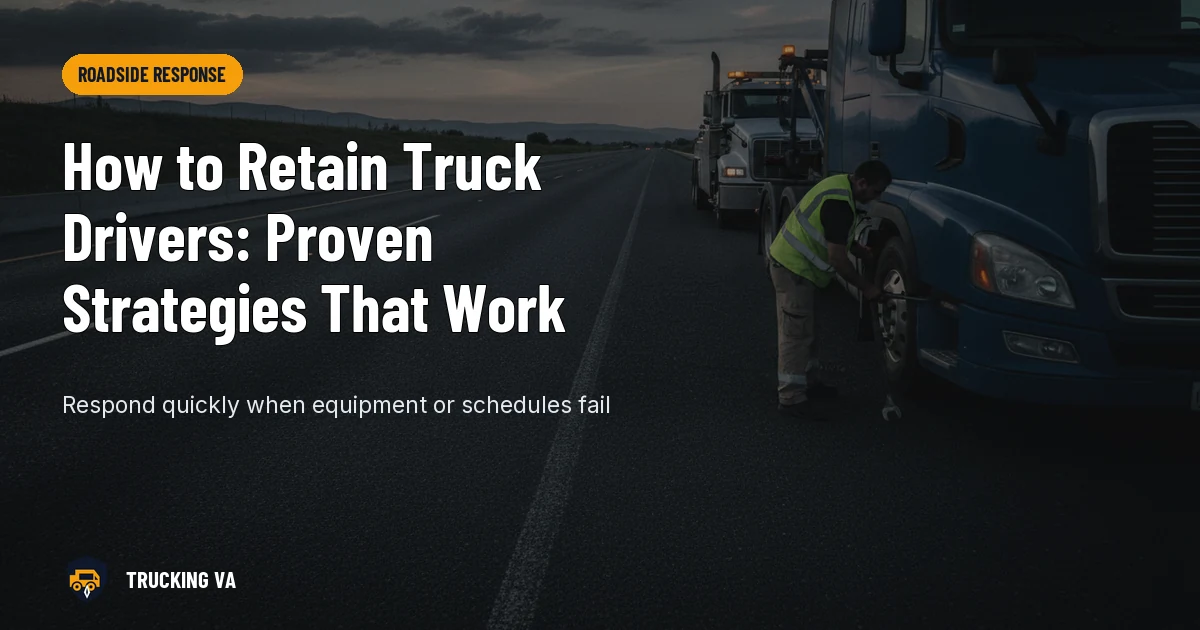
Learn how to retain truck drivers with actionable strategies covering pay, culture, communication, and career growth that reduce turnover and strengthen your fleet.
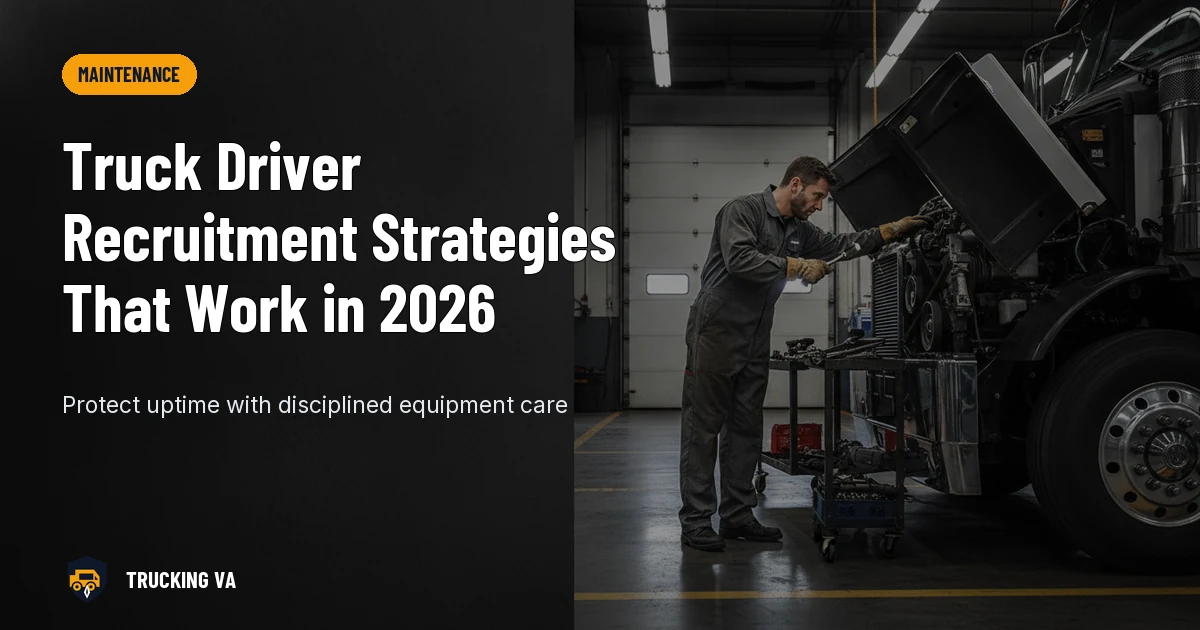
Discover proven truck driver recruitment strategies to fill open seats faster. Learn sourcing methods, branding tips, and hiring workflows that top carriers use today.
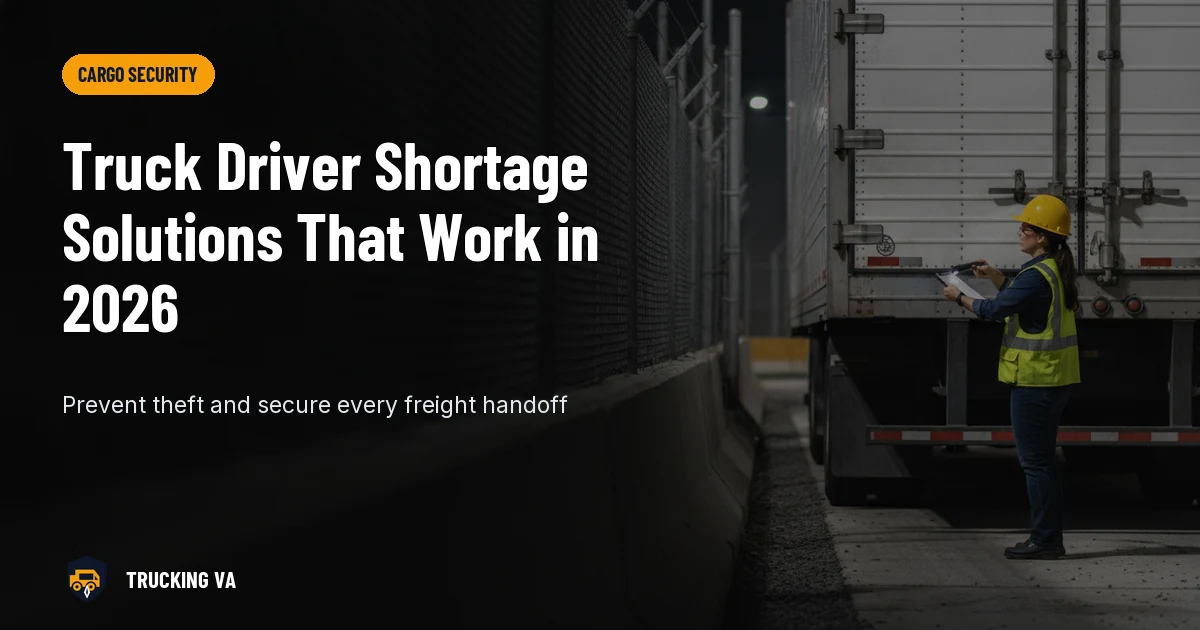
Explore proven truck driver shortage solutions that help carriers recruit, retain, and support drivers. Learn strategies to overcome the growing workforce gap in the trucking industry.