UCR Registration for Trucking Companies: Annual Filing Guide
UCR registration for trucking companies explains the Unified Carrier Registration annual filing requirement, fee calculation, and deadline so carriers stay compliant every year.
Practical guides
Page 60 of 70

UCR registration for trucking companies explains the Unified Carrier Registration annual filing requirement, fee calculation, and deadline so carriers stay compliant every year.
FMCSA registration for new carriers covers the MC number application, BOC-3, insurance filings, and activation steps that put a new motor carrier on the road legally.

Hiring veteran truck drivers accesses a pool of disciplined, safety-conscious CDL holders who bring military logistics experience and professional work ethic to carrier operations.

A CDL lease-purchase program guide explains how truck lease-purchase arrangements work, what costs drivers pay, and how to evaluate whether lease-purchase makes financial sense.

A truck driver retention program reduces costly turnover through competitive pay, clear expectations, home time policies, and career development that keeps CDL drivers committed.

Fuel surcharge management for trucking ensures carriers accurately calculate, invoice, and collect FSC on every load so rising diesel prices do not erode operating margins.

A carrier onboarding checklist for dispatchers covers every step from broker contact through approved carrier status so your trucks can haul freight without setup delays.
Freight load tracking for carriers provides real-time shipment visibility, improves check call efficiency, and builds the broker trust that leads to better freight access.

Spot freight rate negotiation tips for carriers and dispatchers cover market timing, load board strategy, and negotiation tactics that improve revenue per mile on spot loads.

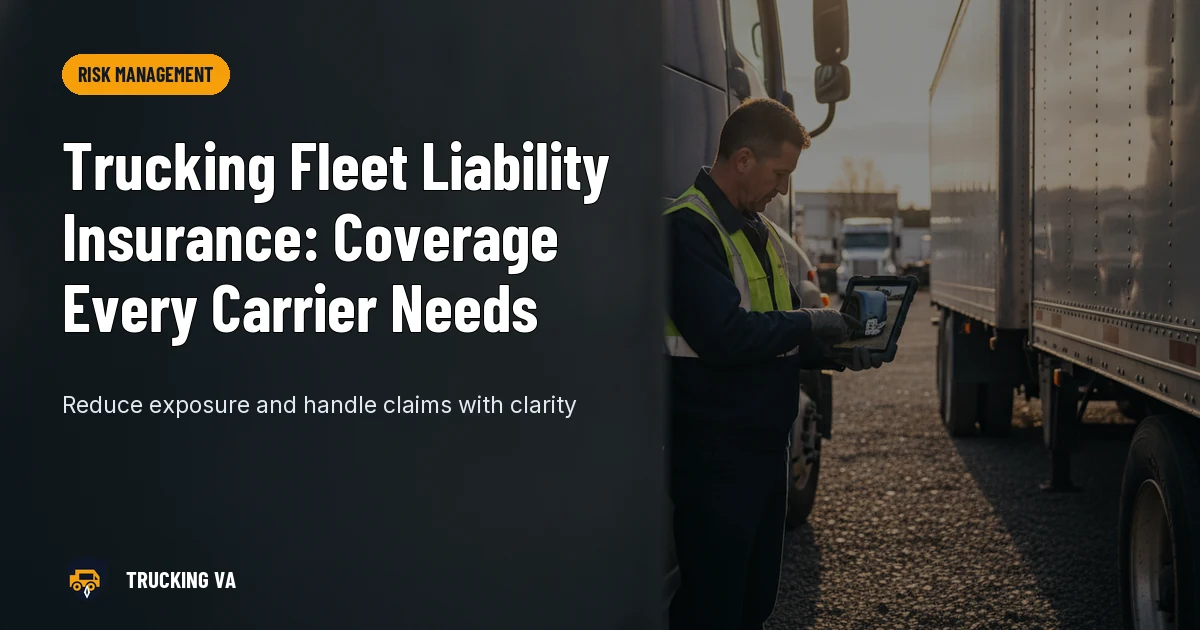
Trucking fleet liability insurance covers bodily injury, property damage, and cargo claims so carriers meet federal minimums and protect their assets from lawsuit exposure.

Fleet vehicle registration management tracks plate renewals, apportioned registration, IRP credentials, and title transfers so commercial trucks stay road legal and inspection-ready.

A fleet dash cam program for trucking provides accident documentation, driver coaching data, and liability protection that reduces insurance costs and improves safety outcomes.